

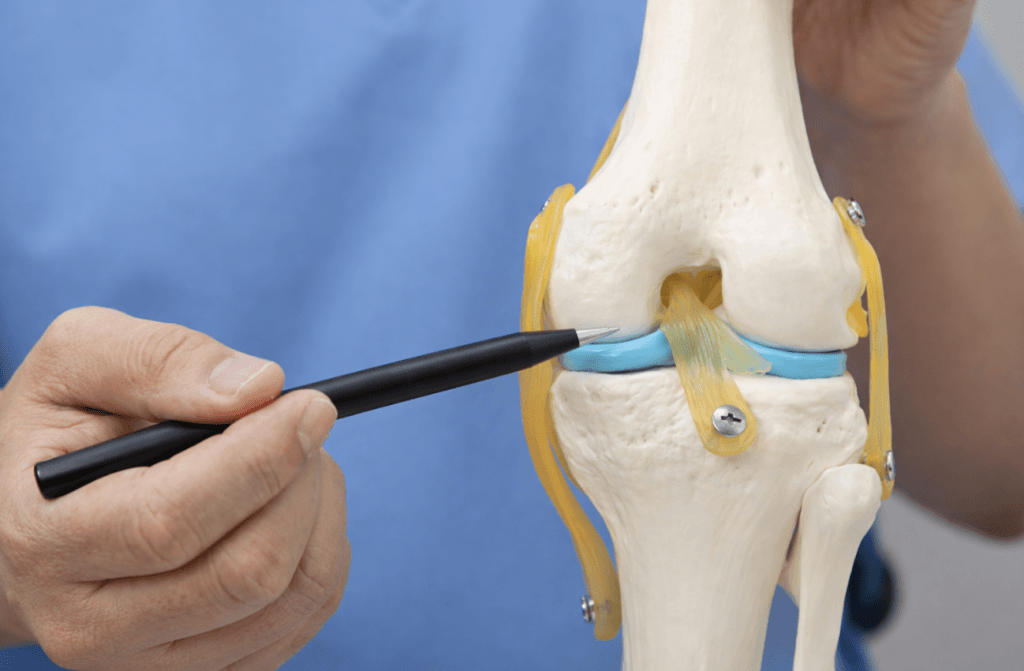
A meniscus tear is one of the most common knee injuries, but not all meniscus tears require surgery.
One of the most important questions patients ask is: “Do I actually need an operation, or will this settle on its own?” The answer depends on several key factors, including your symptoms, the type of tear, and how your knee is functioning.
Why Not All Meniscus Tears Are the Same
Meniscus tears broadly fall into two categories:
- Traumatic tears – often seen in younger or athletic patients
- Degenerative tears – more common with age and often part of early osteoarthritis
This distinction is important because it directly influences treatment. Degenerative tears are frequently seen on MRI scans, even in people without symptoms. In these cases, the tear itself may not be the primary cause of pain.
The Most Important Factor: Your Symptoms
The decision to operate is rarely based on MRI findings alone. Instead, the key question is: Is the meniscus tear actually causing your symptoms?
Surgery is more likely to be beneficial when patients experience:
- Locking (inability to fully straighten the knee)
- Catching or mechanical symptoms
- Pain localised to the joint line
- Ongoing symptoms despite appropriate rehabilitation
If symptoms are mild and improving, non-surgical management is often appropriate.
When Can You Avoid Surgery?
Many patients can successfully manage a meniscus tear without surgery. This is particularly true for:
- Degenerative tears
- Patients without mechanical symptoms
- Those willing to modify activity
Non-operative treatment typically includes:
- Physiotherapy
- Strength and neuromuscular training
- Activity modification
A structured rehabilitation program can significantly improve symptoms and function.
When Is Surgery Recommended?
Surgery may be appropriate when:
- The knee is locking or mechanically blocked
- Symptoms persist despite rehabilitation
- There is a clearly symptomatic tear on examination
- There are associated injuries (e.g. ACL tear)
What Type of Surgery Is Performed?
If surgery is required, there are two main approaches:
Meniscus Repair
- The torn meniscus is stitched back together
- Preferred when possible
- Helps preserve long-term knee health
Partial Meniscectomy (Trimming)
- The damaged portion is removed
- Used when the tear is not repairable
Where possible, preserving the meniscus is always preferable, as loss of meniscal tissue can increase the risk of osteoarthritis over time. See meniscal repair for more information about meniscus surgery.
The Risk of Doing Too Much – or Too Little
Over-treating a meniscus tear can lead to unnecessary surgery. Under-treating a symptomatic tear can result in ongoing pain, mechanical symptoms, and reduced function.
The key is accurate diagnosis and matching treatment to the individual patient, not just the MRI.
When to See a Melbourne Knee Specialist
For patients with a meniscus tear in Melbourne, you should consider specialist assessment if you have:
- Persistent knee pain
- Locking, catching, or instability
- Difficulty returning to sport
- Uncertainty about whether surgery is required
A detailed clinical assessment helps determine whether the meniscus tear is truly the source of symptoms and what the most appropriate treatment is.
Key Takeaway
Not all meniscus tears require surgery. The decision depends on your symptoms, knee function, and goals. Many patients improve with rehabilitation alone, while others benefit from surgery, particularly when mechanical symptoms are present.
Assessment by an experienced Melbourne knee surgeon who can provide personalised, evidence-based approach is essential to achieving the best outcome and protecting long-term knee health.