

Knee malalignment is when the knee joint deviates from its normal, neutral position along the long axis of the leg. There are two main types: genu varum (bow legs) and genu valgum (knock knees). While natural variation in knee alignment exists, significant malalignment can alter the mechanics of the knee, increasing the risk of injury and contributing to conditions such as osteoarthritis.

Knee malalignment can be:
The severity of knee malalignment influences symptoms. Many people with mild malalignment are asymptomatic. When symptoms occur, they may include:
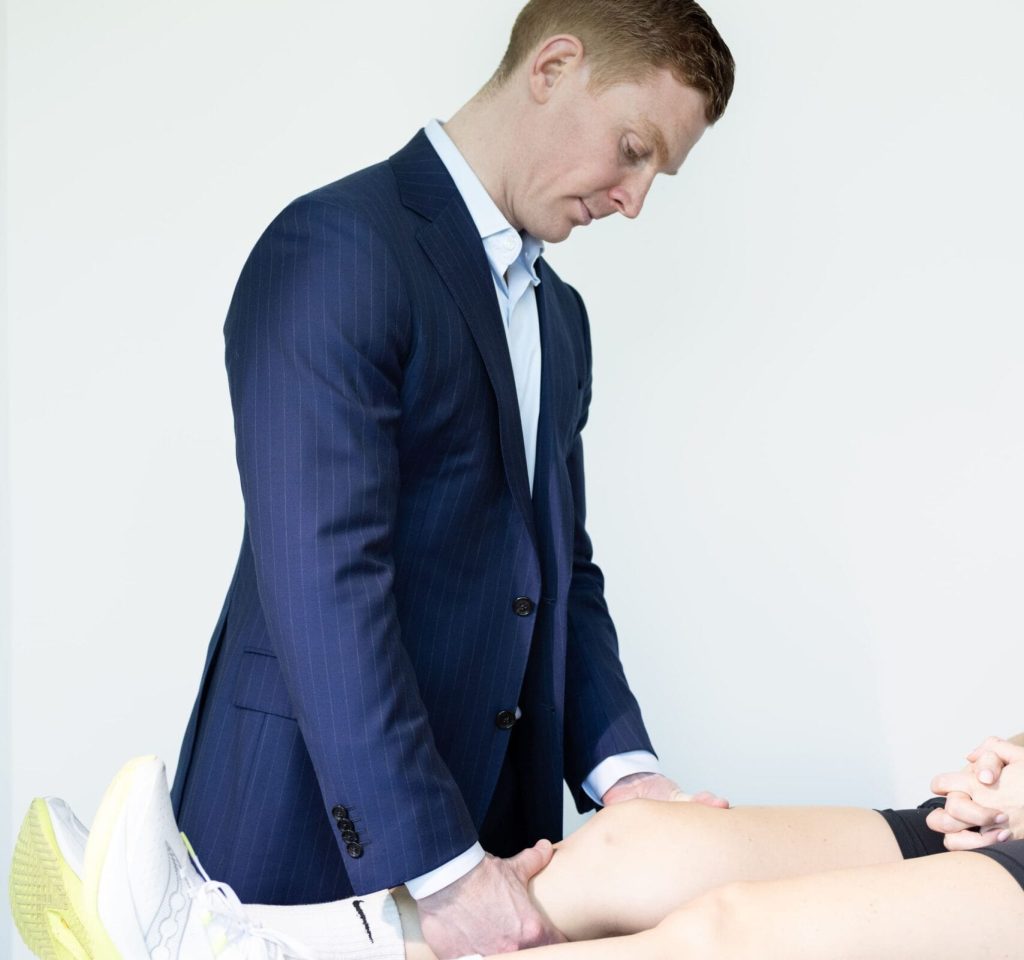
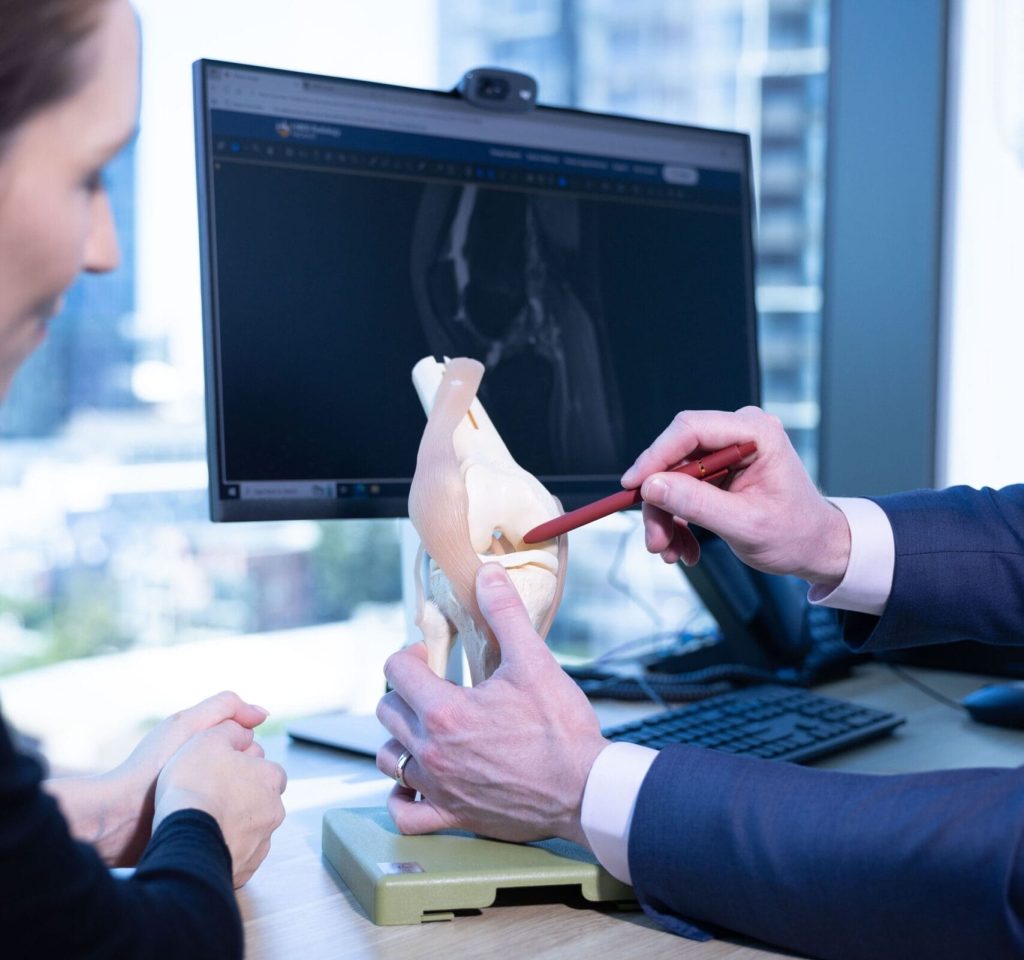
An experienced clinician can often diagnose knee malalignment through physical examination. Full-length leg x-rays are used to confirm the diagnosis and measure the degree of malalignment with precision.
Management depends on the severity of the malalignment and its impact on symptoms and function.
Non-operative treatment is often suitable for asymptomatic or mildcases and may include physiotherapy, activity modification, and bracing
Surgical treatment is considered for more severe or symptomatic cases. This may involve realignment osteotomy to correct the joint axis, or in cases of advanced arthritis, knee replacement surgery.
Dr Matthew Free offers expert, personalised solutions for every step of the journey.