

Over the past decade, surgical treatments for cartilage damage have advanced significantly, offering new hope for patients with cartilage defects who previously had limited options. Dr Free has completed specialised training in cartilage repair and transplantation, enabling him to offer cutting-edge, minimally invasive solutions to relieve knee pain and improve joint function.
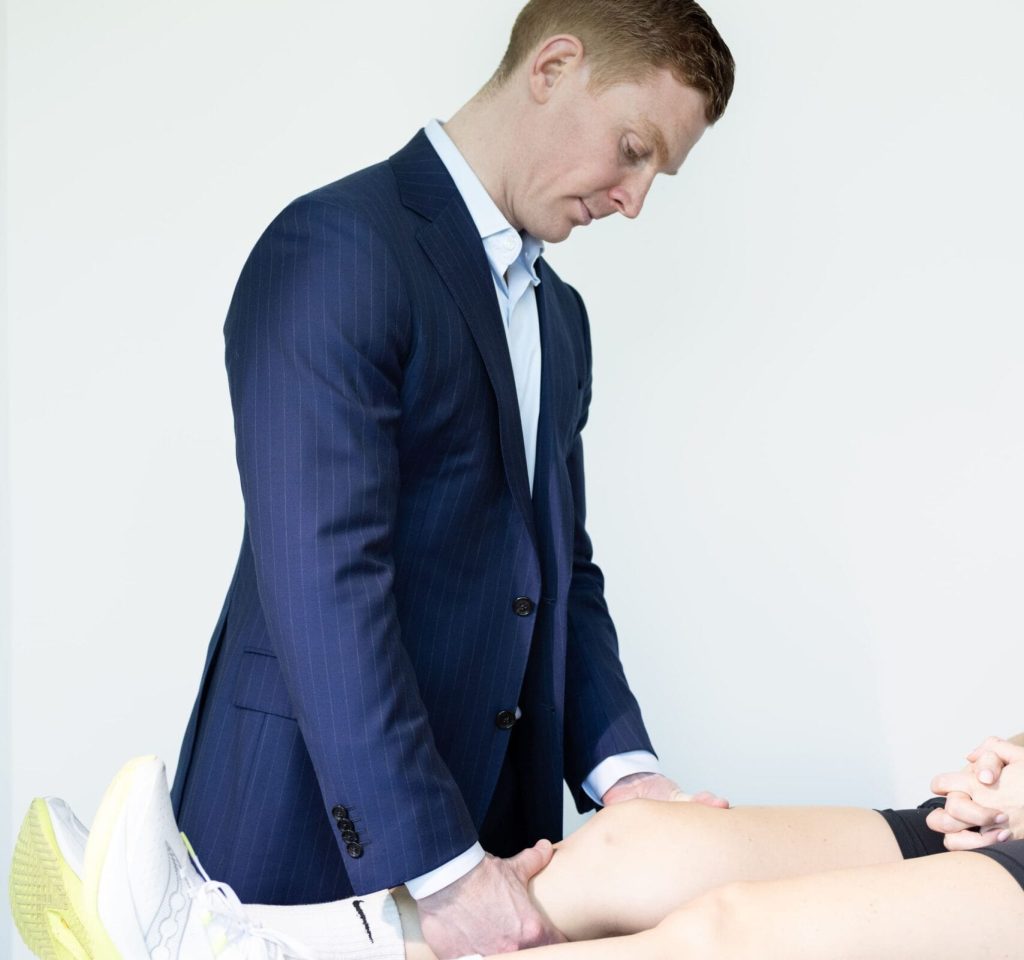
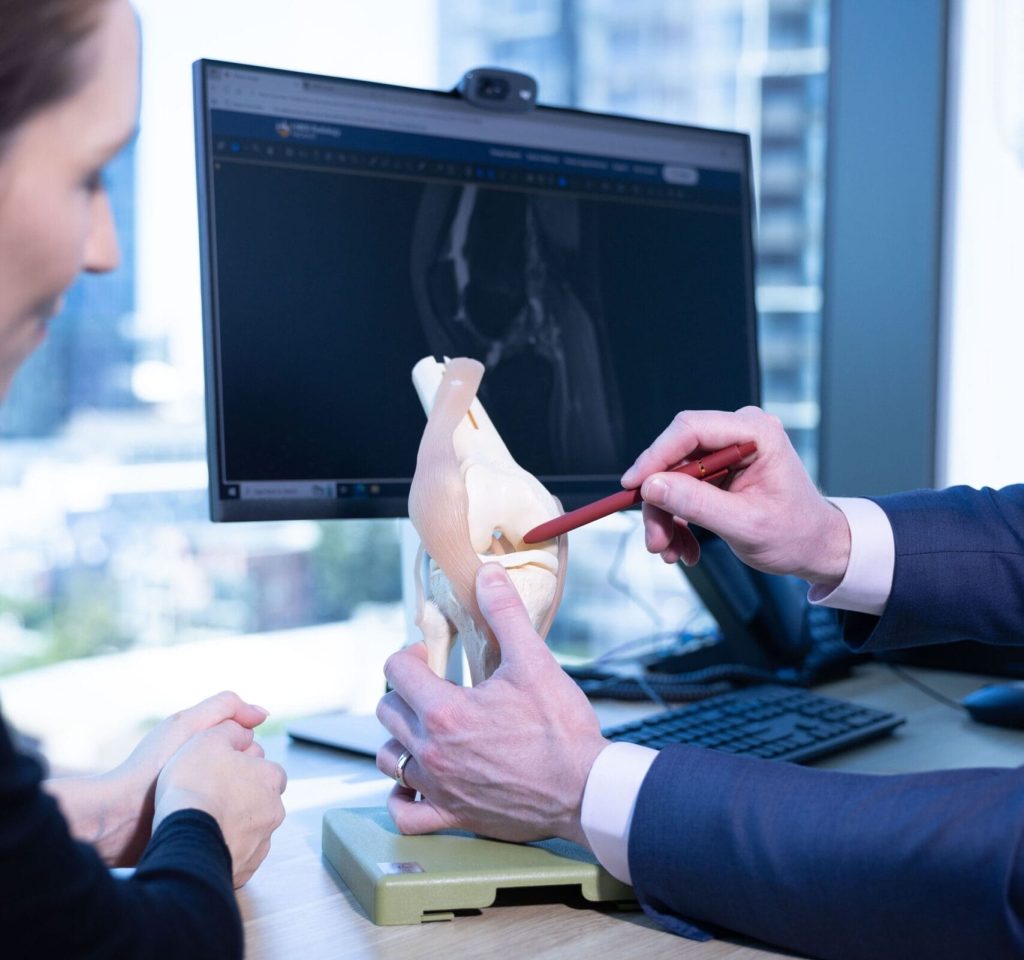
Cartilage repair and transplantation procedures are primarily indicated for patients with focal cartilage damage in otherwise healthy knee joints – before the onset of osteoarthritis. These surgeries are predominantly performed arthroscopically (keyhole surgery), which allows for smaller incisions, reduced post-operative pain, and faster recovery compared to traditional open surgery. In some cases with extensive cartilage loss, open surgery may be necessary.
There are numerous different cartilage repair and transplantation procedures. Dr Free carefully selects the most appropriate cartilage restoration technique based on the size, location, and depth of the cartilage defect, as well as your individual activity level and treatment goals.
Chondroplasty is a minimally invasive arthroscopic procedure that involves removing loose cartilage fragments and smoothing rough edges within the cartilage defect. This reduces joint irritation and friction, providing symptom relief. While chondroplasty does not regenerate cartilage, it can be an effective initial treatment or diagnostic step to evaluate the extent of cartilage damage before considering more advanced cartilage restoration surgeries.
Microfracture is an arthroscopic cartilage repair technique designed for small cartilage defects. The procedure creates tiny holes in the bone beneath the damaged cartilage to stimulate bleeding and release bone marrow cells. These cells form a fibrocartilage repair tissue, which can improve symptoms and function. Although fibrocartilage is not as durable as the native hyaline cartilage, microfracture can offer meaningful symptom relief for select patients with focal cartilage defects.
MACI is a two-stage cell-based cartilage restoration procedure ideal for younger, active patients with localized cartilage defects. The first stage involves arthroscopic harvesting of a small cartilage biopsy from a non-weight-bearing area of the knee. These cartilage cells are then cultured and expanded in a laboratory. In the second stage, usually after six weeks, the cultured cells are implanted into the cartilage defect as a bioengineered membrane. MACI requires patient commitment to a structured rehabilitation program for optimal outcomes.
OATS involves harvesting cylindrical plugs of healthy cartilage and underlying bone from non-weight-bearing areas of your own knee and transplanting them into the cartilage defect. This technique is suitable for defects up to approximately 20mm and is typically performed arthroscopically, although larger defects may require open surgery. OATS restores damaged cartilage with native hyaline cartilage and bone, promoting durable joint surface repair.
OCA is indicated for larger cartilage defects that exceed the size suitable for OATS. This procedure uses donor cartilage and bone (cadaveric allograft), which is sterilised and size-matched to the recipient site. The graft is implanted into the defect – usually via open surgery – restoring both cartilage and underlying bone structure. OCA is particularly beneficial for active patients with large focal cartilage lesions, with reported graft survival rates exceeding 80-90% at 10 years.
Dr Free has had extensive training and experience in the latest evidence-based surgical techniques in cartilage restoration. Whether you are suffering from cartilage defects due to injury or early degenerative changes, Dr Free offers advanced cartilage repair and transplantation options aimed at relieving pain, improving function, and delaying or preventing progression to osteoarthritis.
Natural cartilage has a limited ability to heal or regrow on its own. However, cartilage repair surgeries like MACI stimulate the growth of new cartilage tissue, which can reduce pain and improve knee function.
Cartilage transplantation is recommended for patients with large or focal cartilage defects in otherwise healthy knees, especially before the development of osteoarthritis, to restore durable joint surface and delay further joint degeneration.
Full knee cartilage replacement is not currently possible, but procedures like osteochondral allograft transplantation provide donor cartilage which can replace large cartilage defects, helping delay the need for joint replacement surgery.
Microfracture involves creating small holes in the bone beneath the damaged cartilage to stimulate the growth of new fibrocartilage, which helps repair small cartilage defects and relieve symptoms. Although fibrocartilage is not as durable as the native hyaline cartilage, microfracture can offer meaningful symptom relief for select patients with focal cartilage defects.
Recovery varies depending on the procedure but generally ranges from 3 to 12 months. Adherence to a structured rehabilitation program is crucial for optimal healing and return to activity.
Dr Matthew Free offers expert, personalised solutions for every step of the journey.