

The posterior cruciate ligament (PCL) is one of the key stabilising ligaments of the knee. In cases where a PCL tear results in significant joint laxity or occurs as part of a multi-ligament knee injury, surgical reconstruction may be required to restore knee stability and function. See PCL Tears under Knee Conditions for further information.
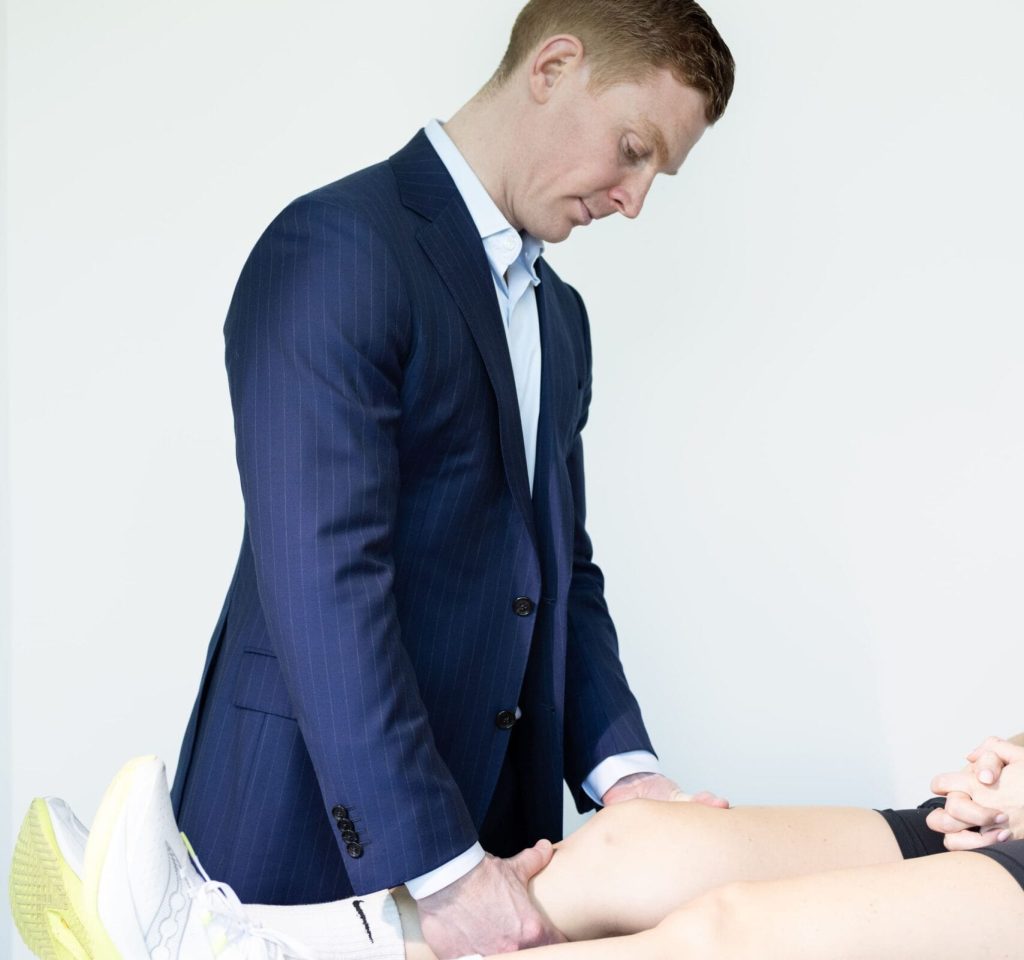
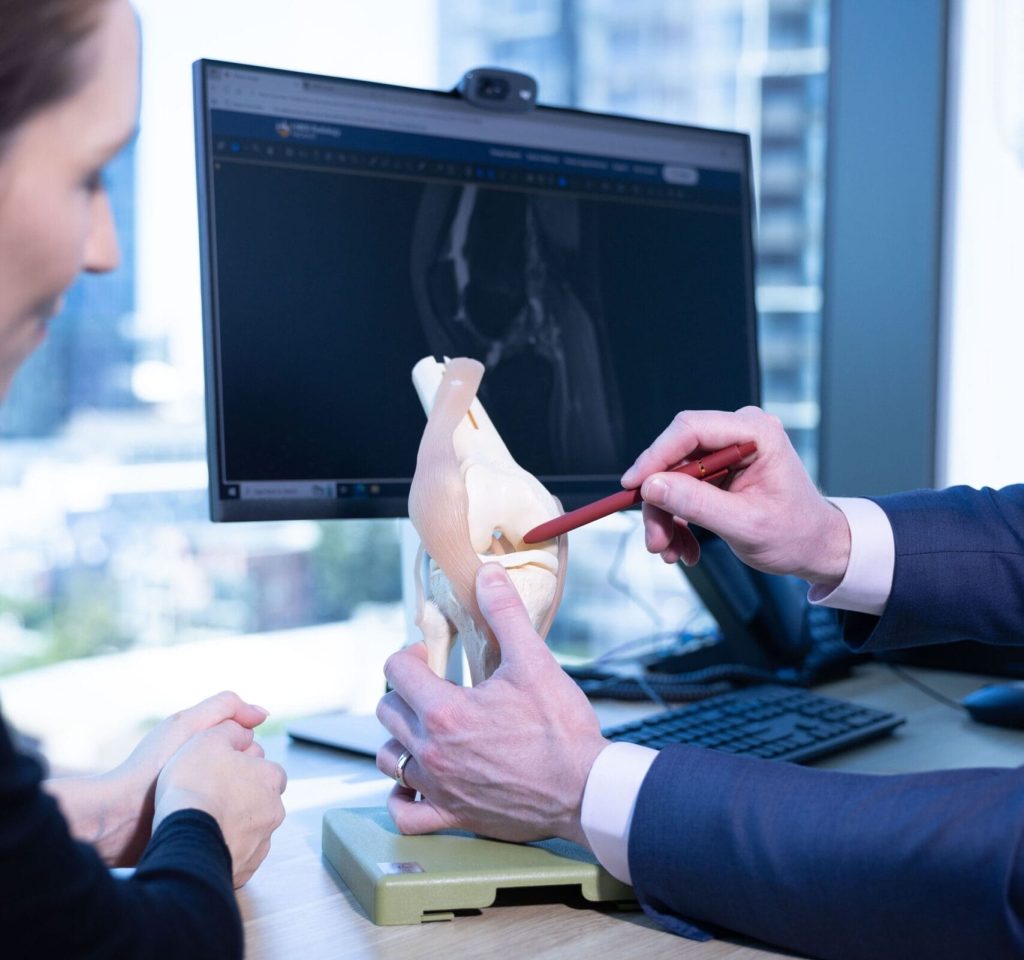
PCL reconstruction involves replacing the torn ligament with a tendon graft. The graft is most commonly taken from the patient’s own tissue (autograft), such as the hamstring, quadriceps, or patella tendon. In some cases, allograft donor tissue is used. Dr Free will discuss graft options with you prior to surgery. The procedure is performed using minimally invasive arthroscopic techniques to promote faster recovery and minimise tissue trauma.
The steps involved in PCL reconstruction are as follows:
Advanced surgical planning and arthroscopic visualisation ensure optimal graft placement, tension, and alignment for long-term knee function.
Please refer to the Pre-operative information page for guidance on preparing for your procedure.
Most patients stay in hospital overnight following surgery.
The focus during this phase is on restoring normal knee function:
Rehabilitation now focuses on:
Timeframes to return to high-demand sports vary depending on your recovery progress, strength, and functional testing outcomes. Most patients can expect to return to sport no earlier than 9-12 months post-surgery.
Dr Free is highly experienced in diagnosing and treating complex ligament injuries of the knee, including PCL tears. He uses the latest surgical techniques and evidence-based rehabilitation protocols to help patients return to sport, work, and daily life with confidence. Whether your injury is fresh or long-standing, Dr Free can provide a clear diagnosis, explain all treatment options, and develop a personalised plan to achieve the best possible outcome and optimise long-term knee health.
While most patients recover well from PCL reconstruction, all surgical procedures carry some degree of risk. Potential complications include
Yes. Crutches should be used until you have regained full knee range of motion and can walk without a limp – typically around 6 weeks post-surgery.
Yes, you will be in a PCL brace for a minimum of 6 weeks post-surgery. This should be worn at all times but can be removed to shower.
This will vary depending on the nature of your work. If your job is sedentary or office-based, you may return as early as 6 weeks post-surgery. For more physically demanding jobs, this may take 3-4 months. Dr Free will discuss this in more detail with you prior to surgery and will continue to assess your progress during follow-up visits to help guide a safe return to work.
You should avoid driving until you are off strong pain medications, walking without crutches, and have good knee range of motion and muscle control. This is usually around 6 weeks but may be sooner for left knee surgery with an automatic car. Always check with Dr Free before resuming driving.
The wound should be kept dry until your review with Dr Free at 2 weeks post-surgery. Following this, you will be able to shower with no dressing on. Swimming pools or hot tubs should be avoided for 3-4 weeks to minimise the risk of infection.
Returning to sport after PCL reconstruction is a gradual process that depends on multiple factors, including graft healing, knee strength, control, and overall functional recovery. The reconstructed graft needs time to be fully incorporated and strengthen. Most patients can expect to return to sport no earlier than 9-12 months post-surgery, depending on their progress with rehabilitation and the demands of their sport.
Dr Matthew Free offers expert, personalised solutions for every step of the journey.