

The ends of the bones in the knee joint are covered by articular cartilage — a smooth, durable surface that allows the joint to move freely with minimal friction and without pain. A cartilage injury refers to any damage or defect affecting this surface.

Cartilage damage can occur due to:
Common symptoms of cartilage defects include:
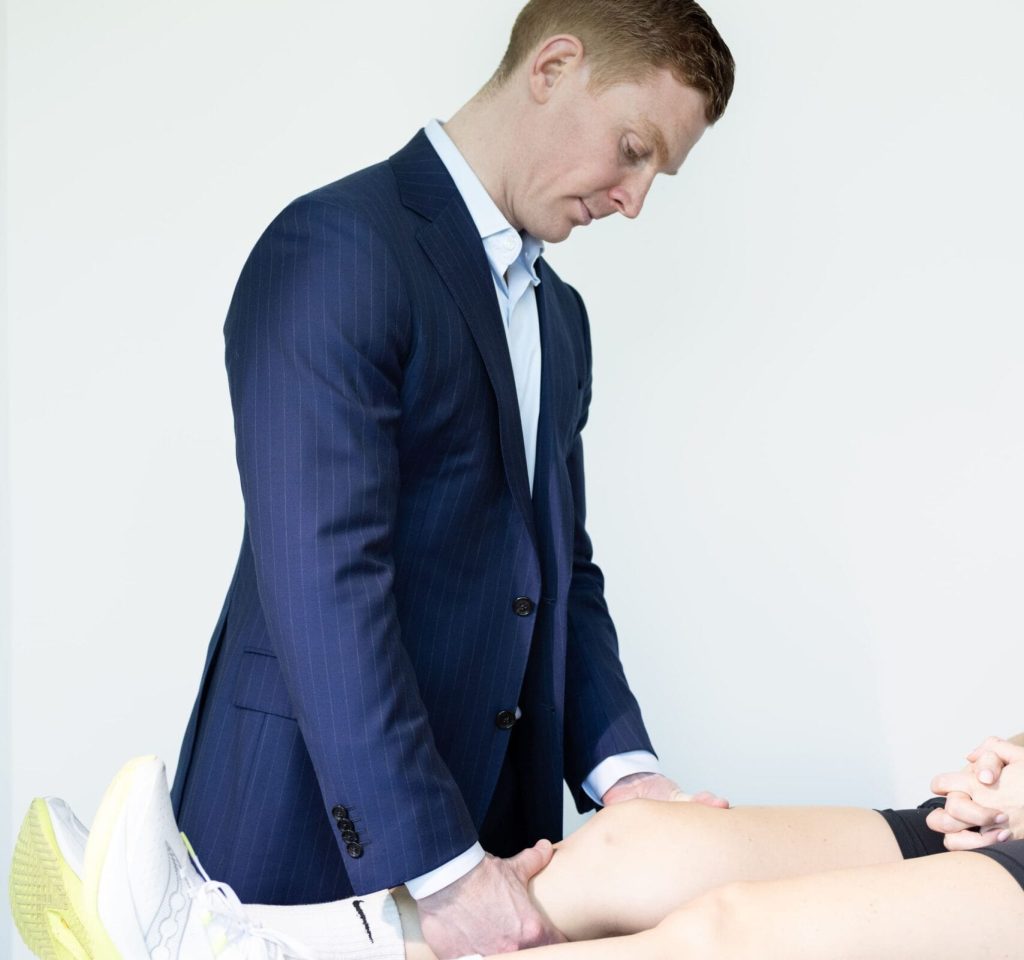
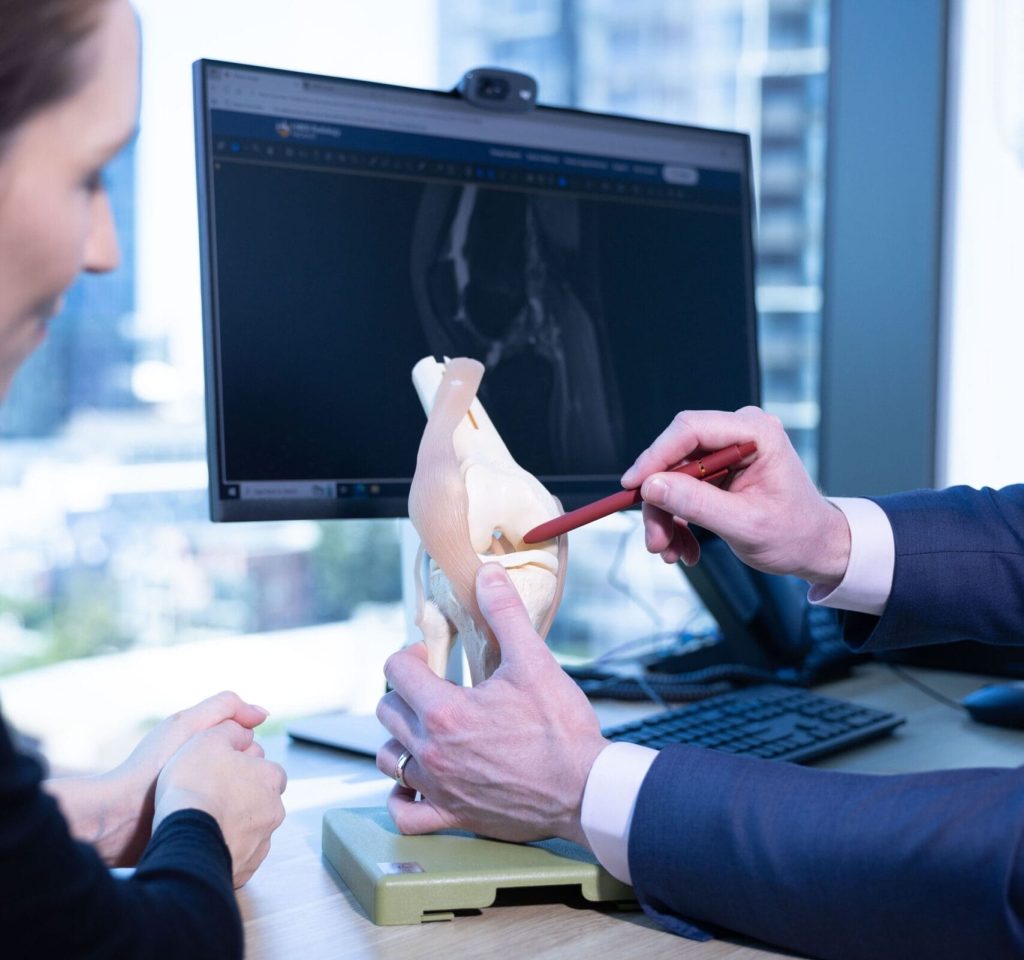
A cartilage injury is suspected based on a detailed history and physical examination. X-rays are performed to assess associated bone changes or alignment issues. An MRI is often performed to confirm the injury, determine its size and location, and identify any other injuries.
The optimal treatment depends on multiple factors, including the size, location, and nature of the defect, as well as the patient’s symptoms, activity level, and overall knee health.
Non-operative treatment may be appropriate for some lesions and can include:
Surgical options are considered when symptoms persist or the defect is significant. Techniques include:
Dr Free combines extensive international training and experience with the latest evidence-based surgical techniques in cartilage restoration. He delivers personalised treatment plans tailored to your specific cartilage injury, lifestyle, and recovery goals. Whether you are suffering from cartilage defects due to injury or early degenerative changes, Dr Free offers advanced cartilage repair and transplantation options aimed at relieving pain, improving function, and delaying or preventing progression to osteoarthritis.
Dr Matthew Free offers expert, personalised solutions for every step of the journey.