

The medial collateral ligament (MCL) is a key stabilising structure on the inside (medial side) of the knee. It connects the thigh bone (femur) to the shinbone (tibia) and helps control sideways movement, preventing the knee from gapping open when force is applied to the outside (lateral side) of the joint.
The MCL is one of the most commonly injured ligaments in the knee. Tears often occur during sports such as AFL, soccer, basketball, netball, and skiing. They are usually the result of a direct blow to the outside of the knee, forcing it inward, but can also occur from twisting movements. MCL injuries frequently occur alongside other knee injuries, particularly anterior cruciate ligament (ACL) tears.
Symptoms depend on the severity of the injury. A mild injury may present with pain over the inside of the knee. In more severe cases, patients may feel that their knee can give out or buckle.
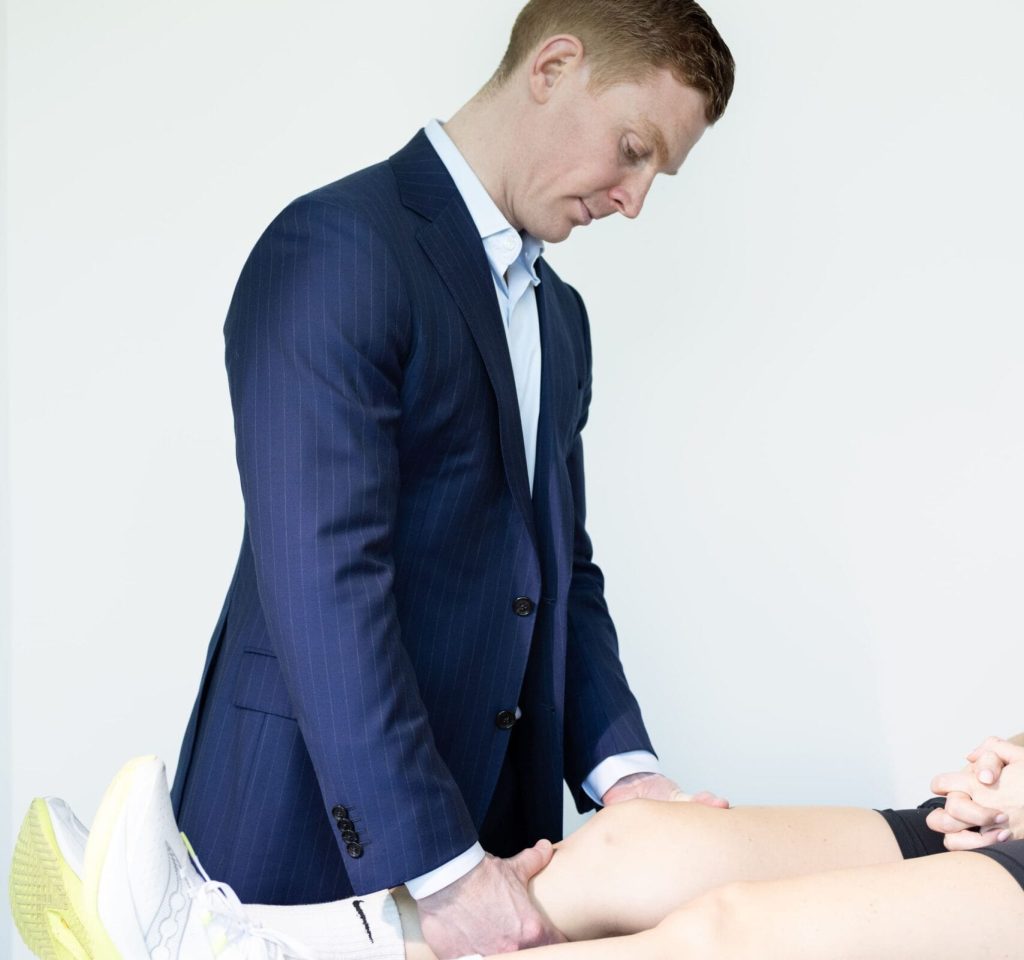
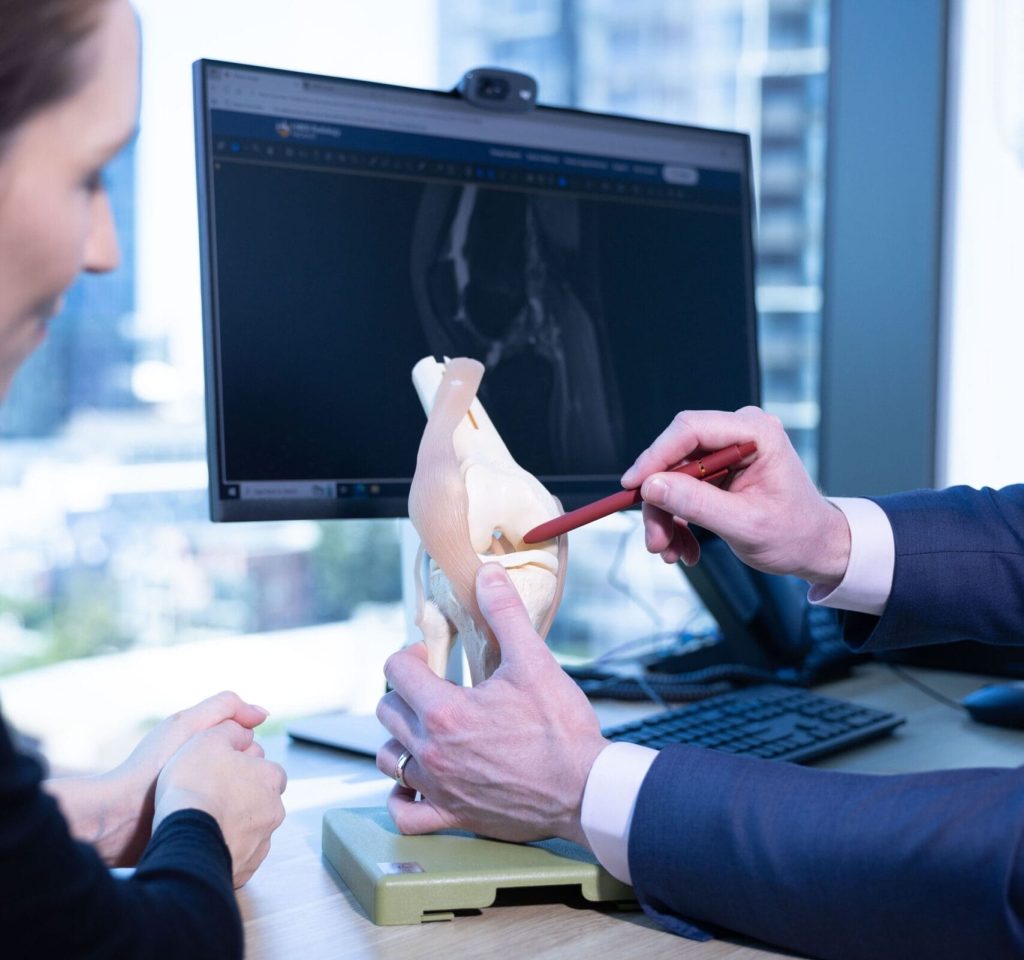
A thorough history and physical examination by an experienced clinician can often identify an MCL injury. X-rays may be performed to rule out associated bone injuries, although these are usually normal. An MRI scan is the gold standard for confirming the diagnosis and assessing for other injuries such as meniscal tears, cartilage damage, or injury to other ligaments.
Most isolated, low-grade MCL injuries heal without surgery. Non-surgical management often involves:
Surgery may be recommended for high-grade tears or when the MCL is injured in combination with other knee structures. The choice of procedure depends on the specific injury pattern, which is why it’s essential to seek care from a specialist with extensive experience in MCL management.
Dr Free has significant expertise in treating MCL injuries and works closely with each patient to deliver the most effective, personalised treatment plan and ensure a safe and efficient return to activity and sport.
Dr Matthew Free offers expert, personalised solutions for every step of the journey.