

The medial collateral ligament (MCL) is a key stabilising ligament on the inner side of the knee, controlling sideways forces and preventing the knee from opening under load. While most isolated MCL tears heal without surgery, some injuries result in persistent instability or occur alongside other ligament damage.
MCL repair or reconstruction surgery is performed to restore knee stability when non-surgical treatment is unlikely to provide a reliable or durable outcome. The aim of surgery is to improve knee function, reduce instability, and protect the knee from further injury and long-term joint damage.
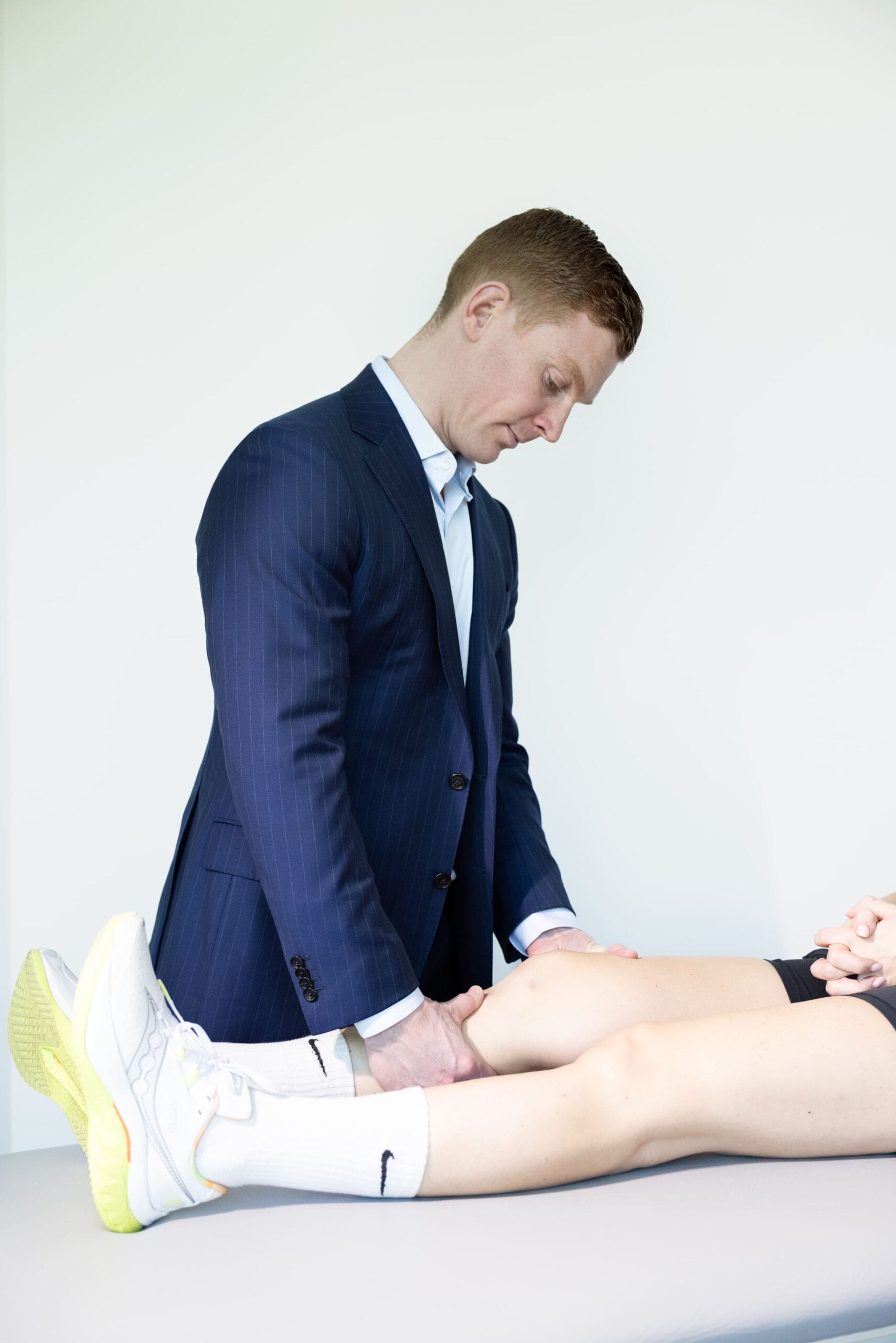
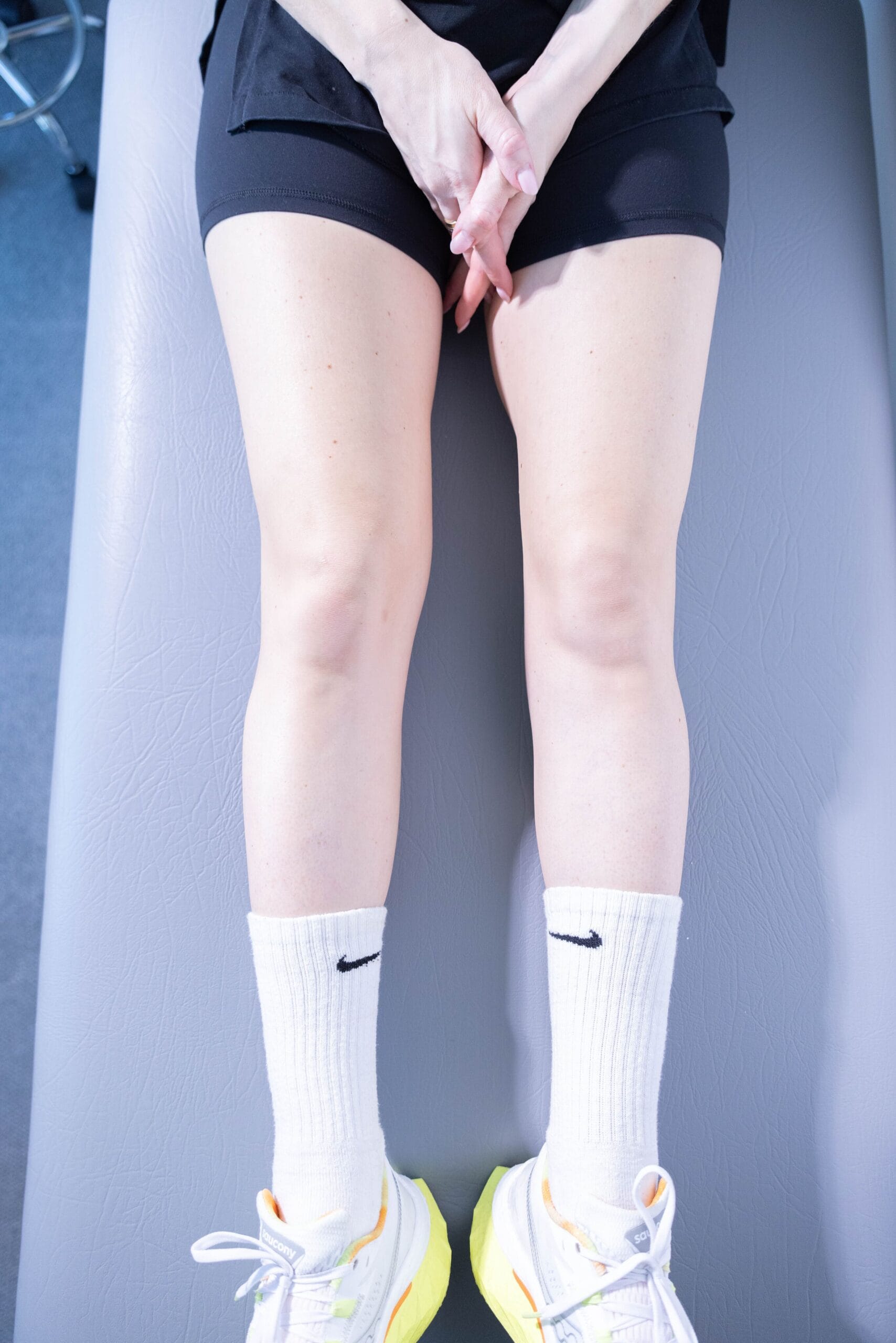
Surgery is typically recommended for high-grade (grade III) MCL tears, particularly when instability persists despite appropriate bracing and rehabilitation. It is also commonly required when an MCL injury occurs in combination with other ligament injuries, such as an ACL or PCL tear.
Patients who may benefit from MCL surgery include those with:
The decision to proceed with MCL repair or reconstruction is individualised and based on symptoms, clinical examination, MRI findings, and patient goals.
Pre-operative assessment includes a detailed knee examination and MRI imaging to define the severity of the MCL injury and identify associated ligament, meniscal, or cartilage damage.
Depending on the injury pattern, surgery may involve:
MCL surgery is performed through an incision on the inside of the knee, and combined with arthroscopy to assess and treat other structures within the knee. The ligament is securely fixed to restore normal knee stability and alignment.
Recovery following MCL repair or reconstruction surgery is structured and progressive, typically taking 9 to 12 months, depending on the procedure performed and whether other knee ligaments are treated at the same time.
After surgery, patients usually wear a hinged knee brace to protect the repaired or reconstructed ligament and may require crutches during the early recovery phase. Rehabilitation focuses initially on swelling control, pain management, and restoring safe knee movement. Strengthening and functional training are gradually introduced, followed by a carefully supervised return-to-sport or activity program.
Dr Free has extensive experience in MCL surgery and complex knee ligament reconstruction. He works closely with each patient and their physiotherapist to deliver an individualised treatment plan and support a safe, confident return to activity and sport.
Dr Matthew Free offers expert, personalised solutions for every step of the journey.