

A meniscus transplant is a specialised surgical procedure that replaces a significantly damaged or absent meniscus using donor tissue (allograft). This procedure is primarily considered for patients who have undergone a previous meniscectomy (removal of the meniscus) and continue to experience persistent knee pain, swelling, or instability. The menisci are critical shock absorbers in the knee joint that protect the underlying cartilage and maintain knee stability (see Meniscus Tears in the Knee Conditions section). Meniscus transplantation aims to restore knee function, improve shock absorption, and slow the progression of osteoarthritis.

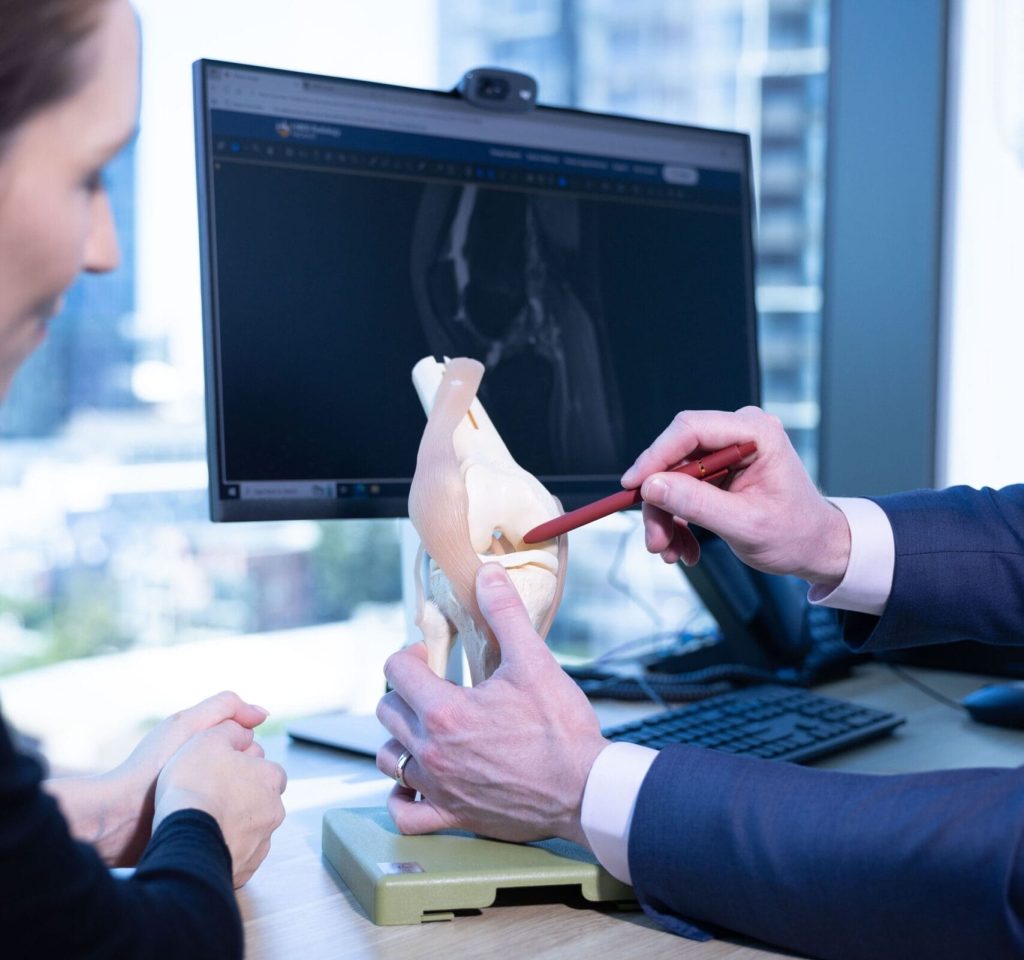

Meniscus transplant surgery is typically recommended for younger, active patients with ongoing symptoms after total meniscectomy who have not responded to conservative treatment. Patients with advanced cartilage damage or osteoarthritis are generally not suitable candidates, as the arthritic joint environment limits the effectiveness of the transplant.
Prior to surgery, detailed MRI imaging is performed to assess the knee and facilitate accurate sizing and matching of donor meniscal tissue. The donor meniscus is sourced from an accredited tissue bank ensuring the highest standards of safety and quality.
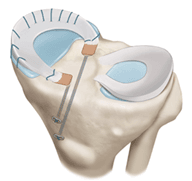
Surgery begins with an arthroscopic evaluation of the knee to treat any associated injuries and prepare the joint. A small open incision is then made to implant the size-matched meniscal allograft, which is secured using sutures and anchors to restore stability and function.
Recovery from meniscal transplantation is gradual and typically requires 6 to 12 months. Post-operatively, patients are usually placed in a knee brace and use crutches for 6 to 8 weeks to protect the graft. Early rehabilitation focuses on controlling swelling, managing pain, and restoring knee range of motion. Once brace use is discontinued, rehabilitation intensifies to rebuild strength and function progressively.
Meniscus transplant surgery can provide significant relief from pain, improve knee stability, and enhance overall function in patients with meniscal deficiency. Many patients report reduced swelling and an improved ability to return to everyday activities.
While meniscal transplantation can slow the progression of knee osteoarthritis, it does not fully replicate the function of a native meniscus and cannot completely prevent future joint degeneration. Outcomes depend on factors such as patient age, knee alignment, cartilage health, and adherence to a structured rehabilitation program.
If you are considering meniscus transplant surgery or want to explore if this procedure is suitable for your knee condition, please schedule a consultation with Dr Free to discuss your treatment options.
Dr Matthew Free offers expert, personalised solutions for every step of the journey.