

An osteotomy is a precise surgical procedure involving the cutting and reshaping of bone to correct abnormal knee alignment. By realigning the knee joint, the surgery restores more natural biomechanics and redistributes weight-bearing forces, reducing stress on damaged or arthritic areas of the knee.
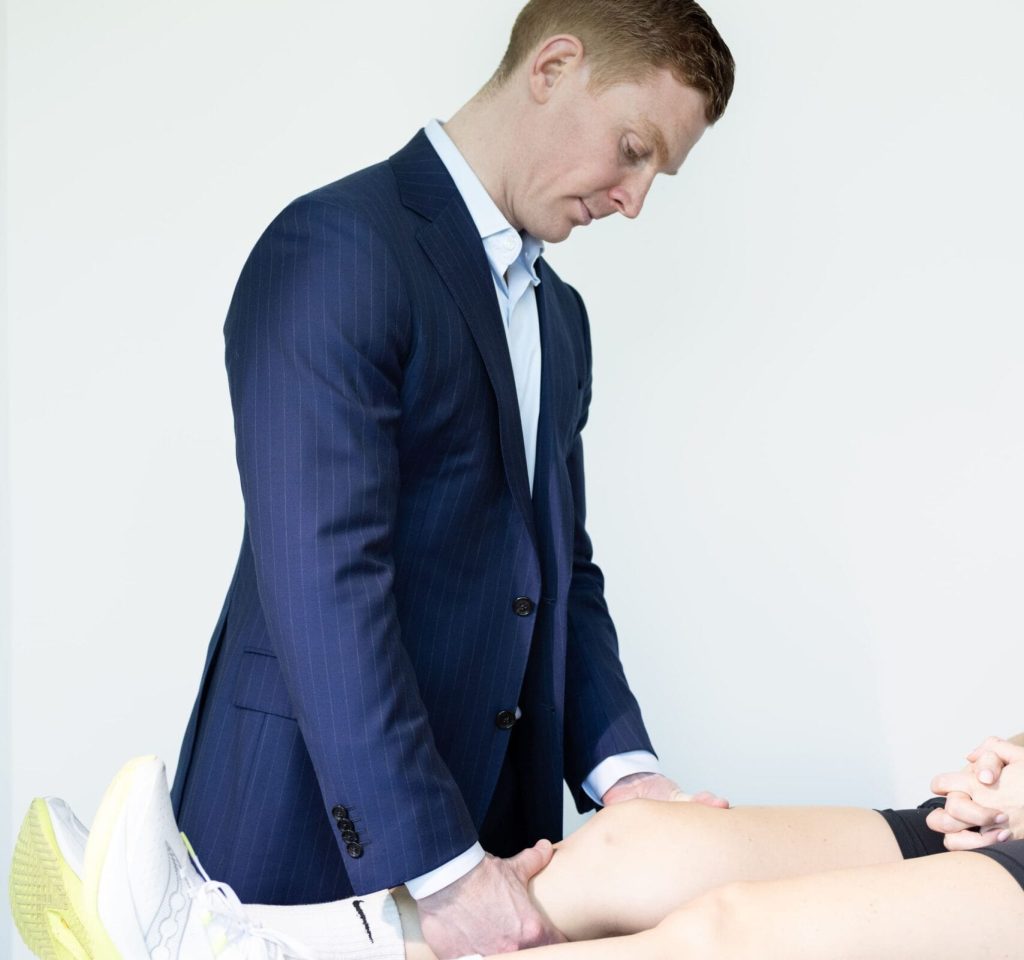
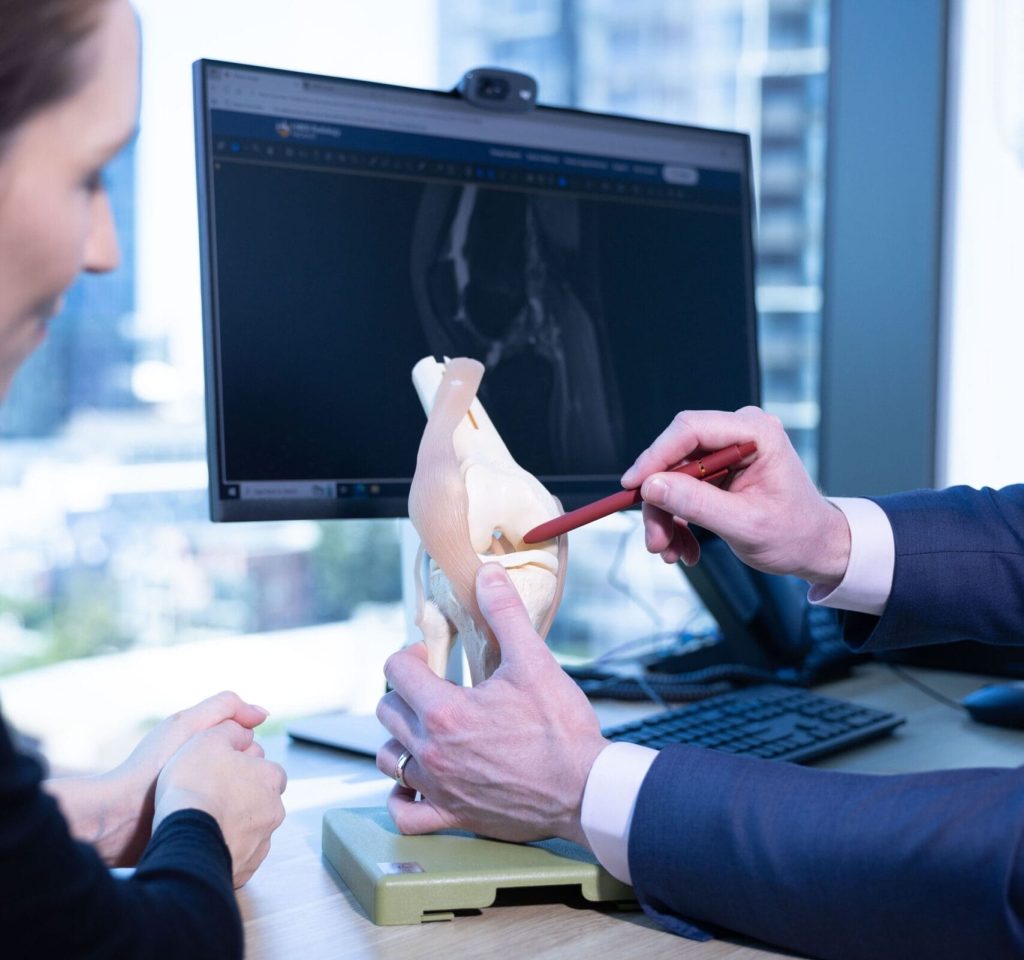
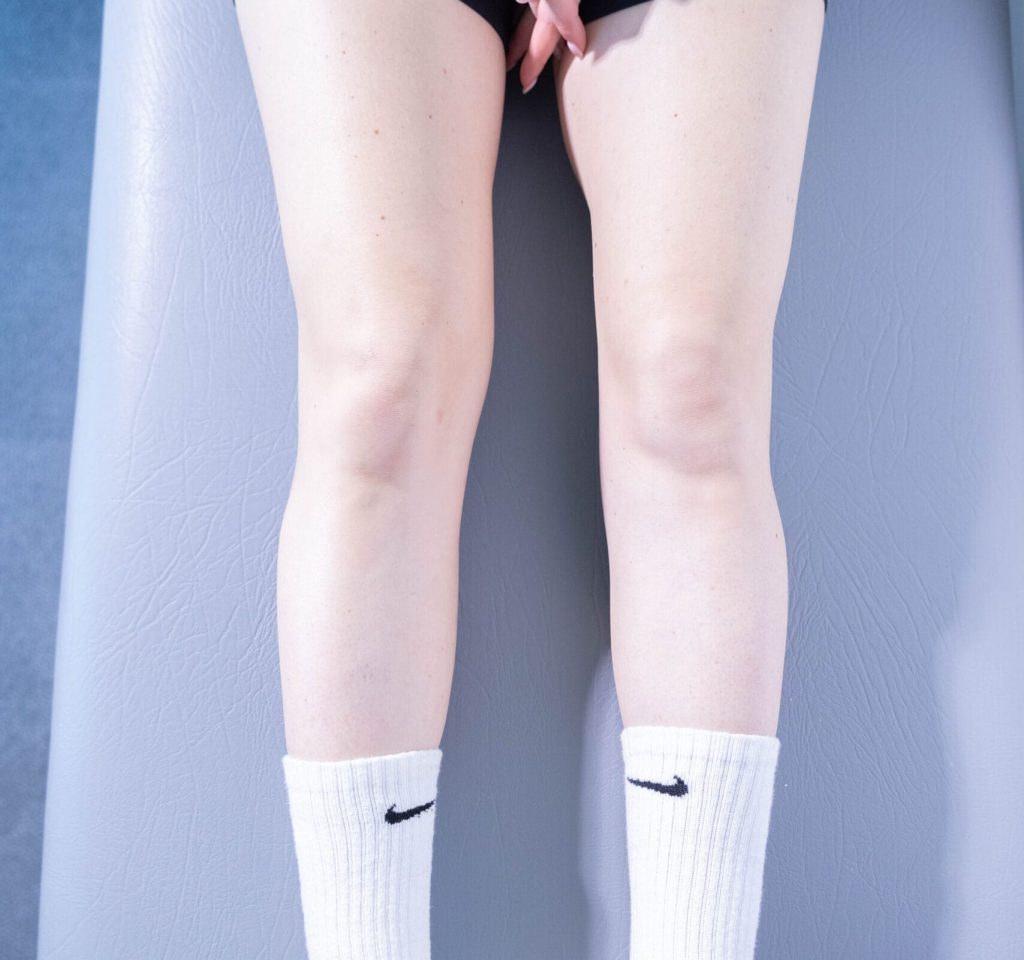
Osteotomy is frequently used to treat unicompartmental knee arthritis, particularly when one side of the knee joint is affected. The goal is to relieve pain, improve knee function, and delay or prevent the need for knee replacement surgery. Osteotomy can also be valuable in managing ligament injuries, cartilage damage, or meniscal tears that are exacerbated by poor knee alignment. The type of osteotomy performed depends on the specific nature of the malalignment, typically involving either the femur or tibia.
Dr Free always begins the procedure with a knee arthroscopy to evaluate the joint and address any concurrent meniscal or cartilage issues. The osteotomy itself involves making a carefully planned cut in the femur or tibia, followed by precise realignment of the bone based on detailed preoperative measurements. The corrected position is secured using a metal plate and screws. In some cases, donor bone graft (allograft) may be used to fill any gaps and promote faster healing.
Please refer to the pre-operative information for detailed instructions on how to prepare for your surgery.
Most patients require an overnight hospital stay following surgery.
This phase focusses on increasing comfort and improving function:
By this stage, swelling should be significantly reduced, and full range of motion restored. Rehabilitation aims to normalize gait and build strength with progressive resistance exercises. Activities such as stationary cycling and swimming are excellent low-impact options to support recovery.
Dr Free’s structured post-operative follow up plan:
Dr Free has extensive experience in osteotomy procedures. If you are experiencing knee pain due to malalignment, arthritis, or related issues, osteotomy may be a valuable joint-preserving treatment option. Contact Dr Free to discuss if this surgery is right for you.
Yes. Crutches are generally needed until you regain full knee range of motion and can walk without a limp, typically around 6 weeks post-operatively.
For certain osteotomy procedures, a knee brace is recommended for 6 weeks after surgery. Dr Free will inform you if a brace is necessary. The brace should be worn continuously, except when showering, icing, or performing range of motion exercises.
Return to work depends on your job demands. Sedentary or office-based roles may allow a return as early as 6 weeks post-surgery. More physically demanding occupations may require 2 to 3 months before resuming full duties. Dr Free will discuss a personalised return-to-work plan during your consultation and follow-ups.
Most patients resume driving approximately 6 weeks after osteotomy surgery. Before driving, you must be off strong pain medications, walking independently without crutches, and have comfortable, pain-free knee motion. Always consult Dr Free before resuming driving.
Keep your wound dry until your 2-week post-operative review with Dr Free. After this, you may shower without dressings. Avoid swimming pools, hot tubs, or baths for at 3-4 weeks to reduce the risk of infection.
Both surgeries aim to relieve knee pain and improve function but differ significantly in approach. Osteotomy preserves your natural knee by realigning the bone to offload pressure from the damaged compartment, making it ideal for younger, active patients with localized arthritis. Knee replacement involves resurfacing or replacing damaged joint surfaces with implants. Osteotomy maintains your native knee structure and can allow for higher activity levels compared to knee replacement in suitable patients.
Yes. Many patients return to low-impact and some high-impact sports after knee osteotomy, depending on individual factors and rehabilitation progress. Activities such as hiking, cycling, golf, and skiing are often achievable. A tailored rehabilitation program and sufficient healing time, typically 6 to 12 months, are essential. Osteotomy is frequently chosen by active patients seeking to maintain an active lifestyle and return to sports with fewer restrictions than after joint replacement.
Dr Matthew Free offers expert, personalised solutions for every step of the journey.