

The kneecap (patella) sits within a groove at the end of the thigh bone (femur), sliding smoothly up and down as the knee bends and straightens. A complex system of bony structures and soft tissues keeps the kneecap properly aligned within its groove.
Patella instability occurs when the kneecap slips out of this groove—a condition known as dislocation. The primary stabiliser preventing this is the medial patellofemoral ligament (MPFL), which connects the inner edge of the kneecap to the inner thigh bone and helps maintain stability, especially as the knee begins to bend.
Kneecap dislocations and instability commonly result from sporting injuries, falls, or direct impacts that force the kneecap out of place. Several underlying risk factors may predispose patients to instability, including:
After a first-time dislocation, the risk of a repeat event is significant. Approximately 34% of patients experience recurrent dislocations following an initial traumatic event. After two or more dislocations, the risk of future episodes rises above 50%. Younger patients are particularly at higher risk for ongoing patella instability.
Chronic patella instability can be disabling, often limiting sports or daily activities due to fear of dislocation. Common symptoms include:
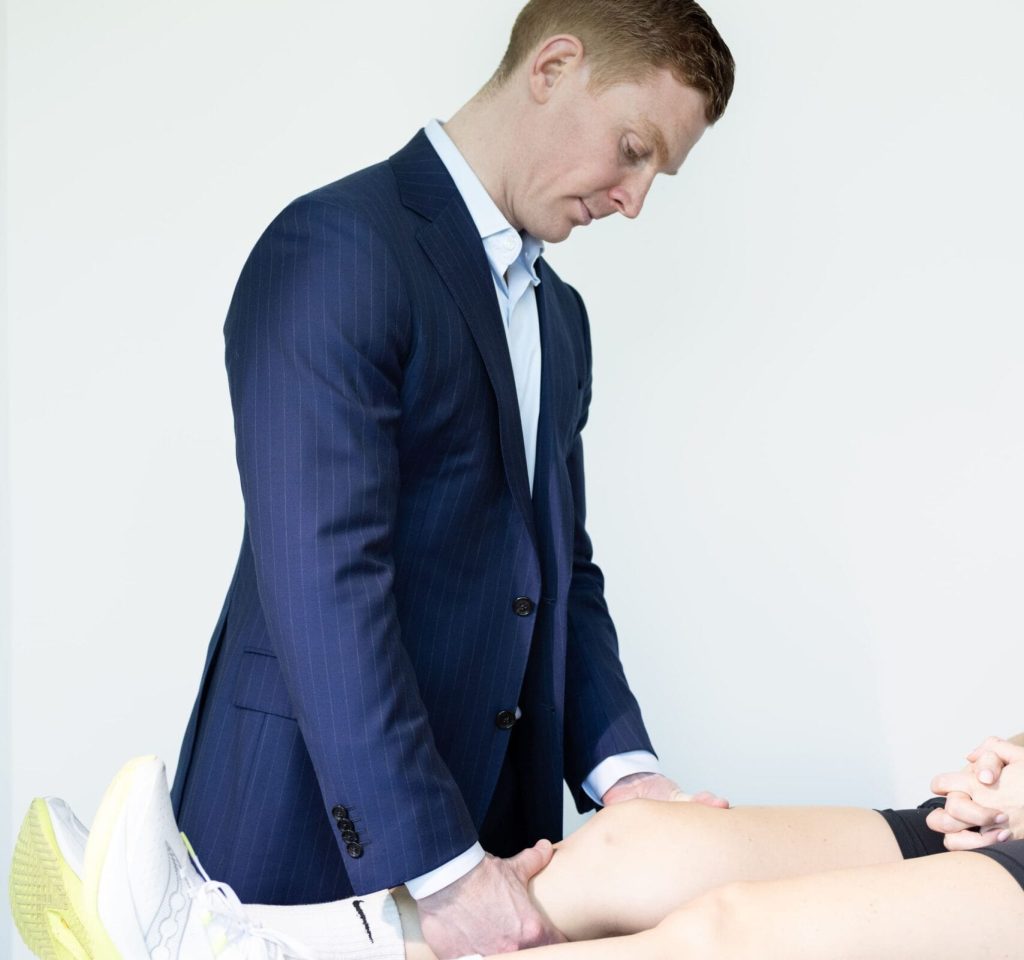
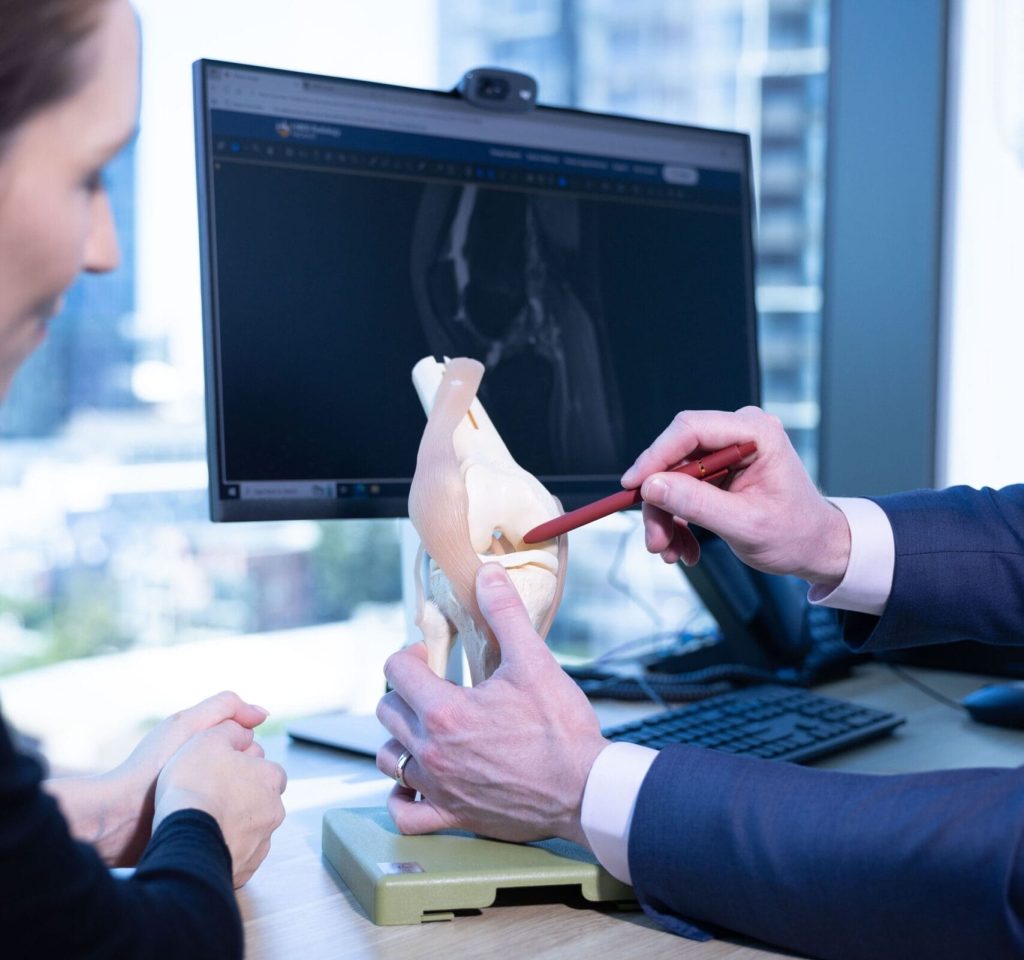
Diagnosis typically involves a detailed history and physical examination by an experienced clinician. Imaging studies help assess the condition and any associated injuries. X-rays of the knee are performed to rule out any fractures and evaluate bony anatomy. A CT or MRI may be performed to identify underlying risk factors and any associated injuries.
First-time dislocations are often managed non-surgically with a focus on physiotherapy to strengthen the muscles stabilising the kneecap, especially the quadriceps.
For recurrent instability, surgery is frequently recommended. The surgical approach varies depending on the individual’s anatomy and risk factors.
Because treatment must be tailored to each patient’s unique condition, it is essential to consult a specialist experienced in patella instability management.
Dr Free has extensive experience in diagnosing and treating patella instability, tailoring personalised treatment plans that address each patient’s unique anatomy and lifestyle. If surgery is required, he carefully evaluates all surgical options to recommend the most appropriate procedure to restore optimal function and lasting knee stability.
Dr Matthew Free offers expert, personalised solutions for every step of the journey.