

The posterior cruciate ligament (PCL) is one of the two major cruciate ligaments in the knee, alongside the anterior cruciate ligament (ACL). Both connect the thigh bone (femur) to the shinbone (tibia), but they sit in different positions — the ACL at the front of the knee and the PCL at the back.
The PCL’s main role is to prevent the tibia from moving backwards relative to the femur, particularly when the knee is bent. It is thicker and stronger than the ACL, meaning it takes considerably more force to injure. As a result, PCL injuries are far less common than ACL injuries.
Because of its strength, the PCL is usually torn only after significant trauma. They are often seen alongside other ligament injuries, particularly in high-energy trauma. Isolated PCL injuries — where no other knee structures are damaged — are relatively rare. Most occur when a direct force is applied to the front of a bent knee. Common examples include:
In the early stages, symptoms may include swelling, pain, and difficulty putting full weight on the injured leg. Some patients notice a feeling of looseness or instability, especially when walking downhill or downstairs. When the injury involves multiple ligaments, this instability can be pronounced.
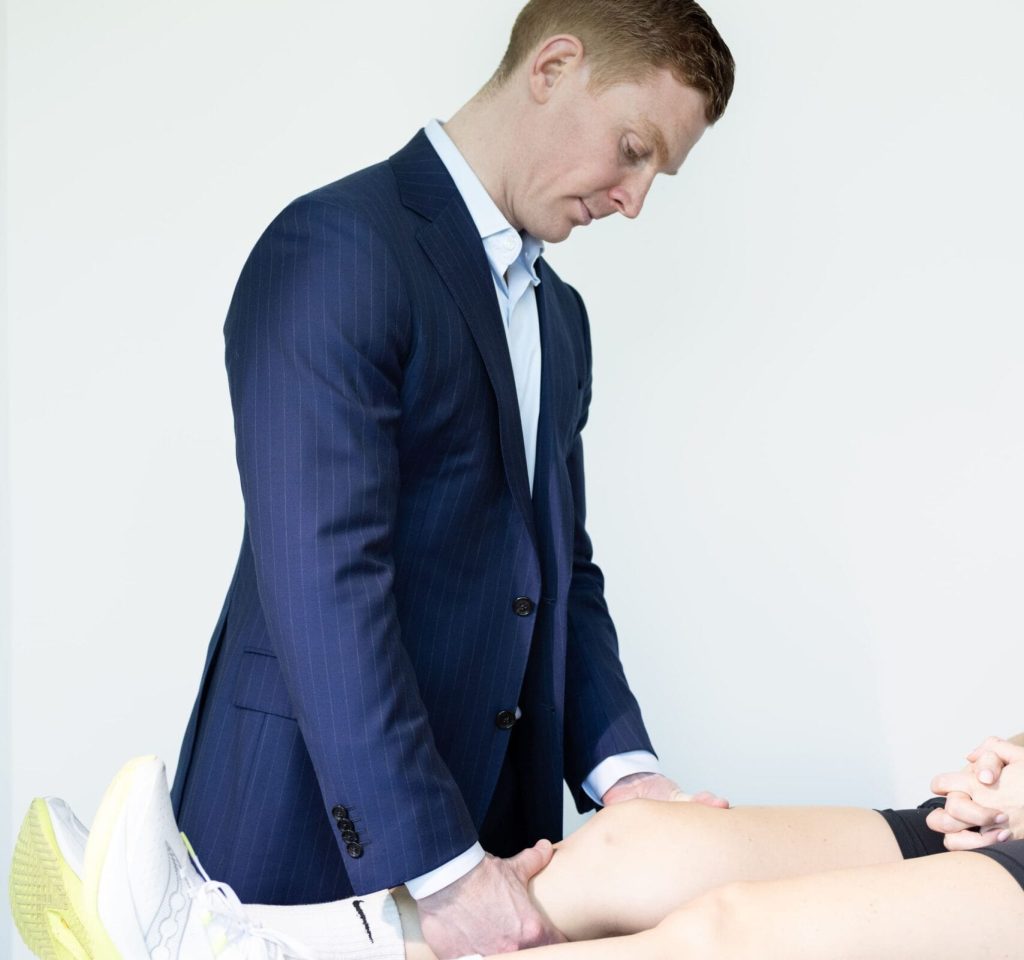
A careful history and physical examination are the most important steps in diagnosis. Signs can be subtle but may include:
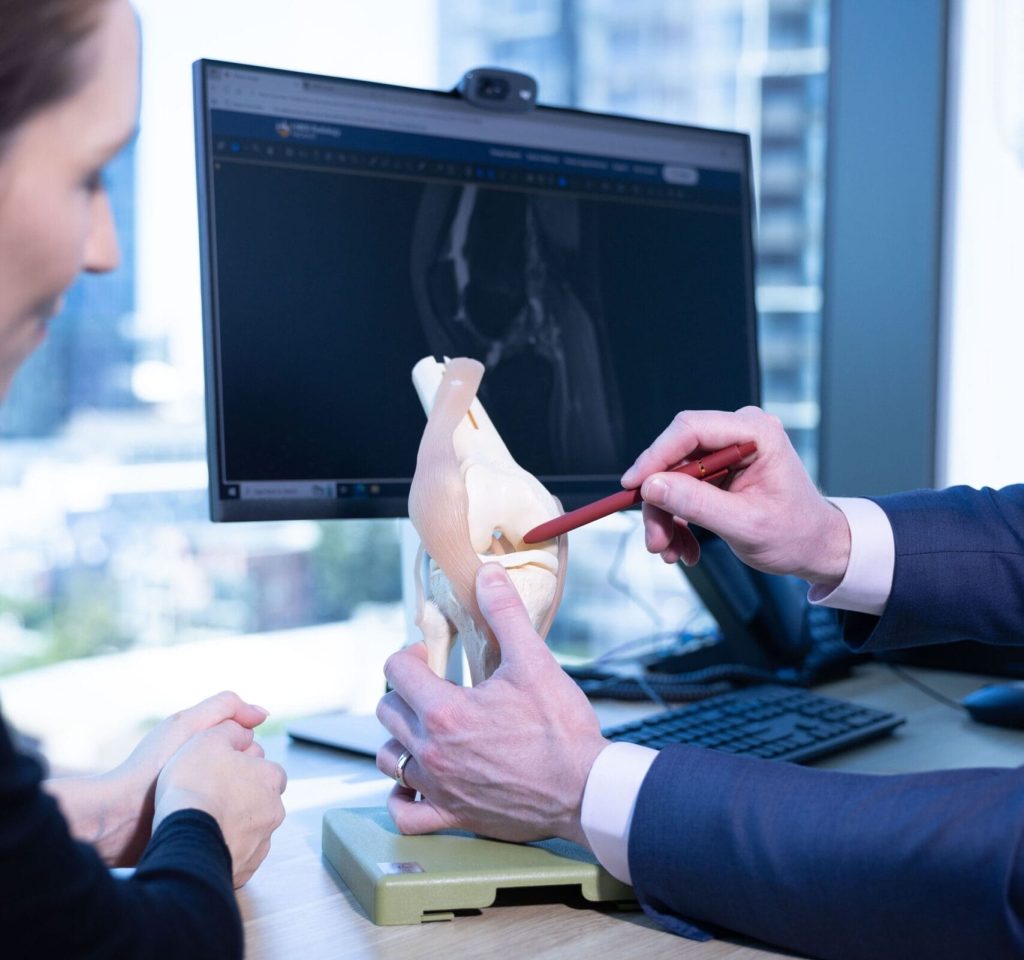
X-rays are often performed to rule out fractures. MRI scans are the gold standard for assessing the PCL and identifying other associated injuries. In older injuries (more than 6 months old), the PCL may appear intact on MRI but may have healed in a stretched position — making expert physical examination essential to evaluate the functional integrity of the PCL and avoid missing a significant injury.
Many isolated PCL injuries can be managed without surgery. This typically involves wearing a specialised PCL brace for several weeks, combined with a targeted physiotherapy program to restore strength and stability.
Surgery may be recommended for more severe injuries, multi-ligament knee injuries, or persistent instability. While some tears can be repaired directly, most require reconstruction using a tendon graft — either from the patient (autograft) or a donor (allograft). Because PCL injuries vary greatly in severity and complexity, treatment plans are tailored to the individual to ensure the best chance of full recovery and return to activity.
Dr Free is highly experienced in diagnosing and treating complex ligament injuries of the knee, including PCL tears. He uses the latest surgical techniques and evidence-based rehabilitation protocols to help patients return to sport, work, and daily life with confidence. Whether your injury is fresh or long-standing, Dr Free can provide a clear diagnosis, explain all treatment options, and develop a personalised plan to achieve the best possible outcome and optimise long-term knee health.
Dr Matthew Free offers expert, personalised solutions for every step of the journey.